
01
What should this service address?
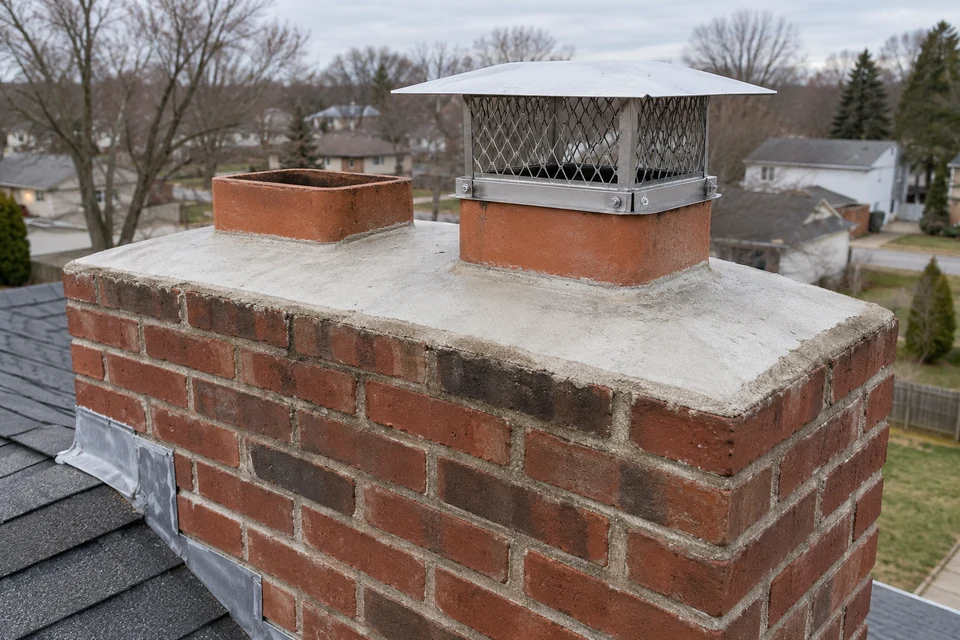
The crown is distinct from the cap above a flue opening. Have its condition and any water-entry concerns assessed before choosing repair or replacement.
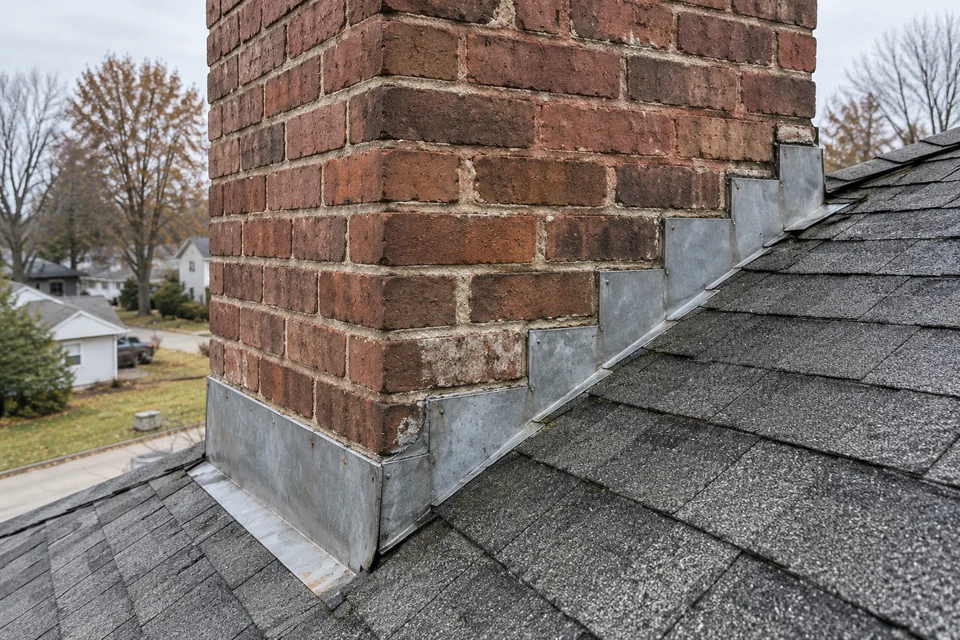
Ask which parts would be retained or changed and why the proposed work fits the findings. A photo alone cannot establish the appropriate repair, and crown work does not automatically include other masonry, flashing or roofing.
02
What should be clear in the proposal?
Use these points to compare written proposals side by side. They are questions for an agreed job, not guaranteed inclusions.
Swipe across the table to compare all columns →
| Proposal item | What to confirm | Why it matters |
|---|---|---|
| Crown condition | What was observed and how the findings are written up | Written findings show the basis for a repair or replacement |
| Repair or replace | Why the proposed route fits the assessed damage | Compare the proposed work, rather than the label alone. |
| Retained components | Which existing masonry or flue parts stay in place | Clear retained parts make two proposals easier to compare |
| Cap work | Whether a cap is included or quoted separately | A cap is a separate component from the crown |
| Masonry and roof work | Whether repointing, flashing or roof work is excluded | Those jobs can need separate qualified scopes |
| Access | How the top of the chimney will be reached | Roof access should be planned and written into the scope |
03
What helps the next conversation?
- Share the exact property address and known appliance or fuel.
- Previously observed crown or water-entry concerns and existing reports.
- Use only safely accessible photos; do not climb, dismantle or test the system.
- Describe access limits and agree the actual visit scope and schedule.